





Seek freedom for all androids in Detroit: Become Human.
October 14, 2026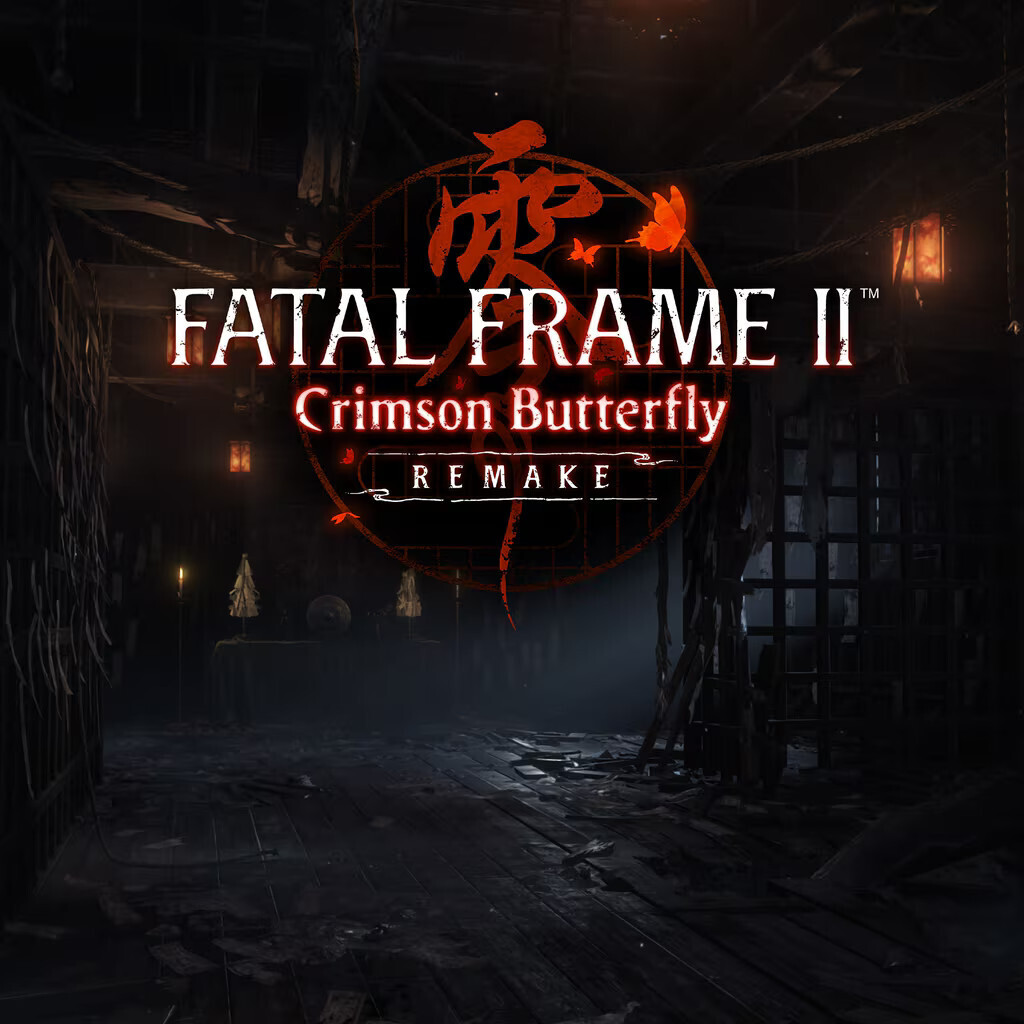
While it’s not my favorite in the Fatal Frame/Project Zero series, Fatal Frame II: Crimson Butterfly has always been considered the best. It’s easy to understand why. It captures everything that needs to be captured in a survival horror game, it shows the power of a bond between twin sisters, it has tons of frights whether they’re jump scares or parts of the narrative, and it doesn’t outstay its welcome despite being eight chapters. I was always bummed that the Wii version was never officially released in the states because it looked like an upgraded and improved version. Now, any bitterness towards that has been vanquished similar to the spirits captured by the Camera Obscura because Crimson Butterfly received a modern-day remake for PlayStation 5 and Switch 2. (I played the latter version for portability’s sake and it looks AMAZING). Even if I didn’t have my bias towards the series (it’s my favorite in the genre) I’d still be praising this version. Fatal Frame II: Crimson Butterfly Remake feels like another remake done right.
Fatal Frame II: Crimson Butterfly is about twin sisters Mio and Mayu Amakura. When they were children, Mayu was in an accident that permanently damaged her leg. To this day, Mio feels responsible for Mayu’s trouble walking. The game opens with the twins sitting near a stream and reminiscing about a forest they used to play in. Out of nowhere, Mayu starts chasing a red butterfly. Mio chases her, and the two find themselves in Minakami Village – covered in fog and darkness. An old village steeped in cruel traditions revolving around twins and sacrifice, Mio and Mayu need to fight their way out of the village. Vengeful ghosts and spirits still haunt the village and will attack anyone that sets foot inside. Spirits of past villagers still cling to their rituals.
From what I could tell, the story remained unchanged from the original and featured additional dialogue. It combines traditional Japanese horror mythology and emotional family drama into one captivating package. Learning more about the village will allow players to learn more about the possible fates of Mayu and Mio. Depending on certain choices made, their story can have a variety of outcomes. One downside to this is that achieving some of the better endings requires finishing the game at least once.
A new feature allows you to recover health and will power by holding Mayu’s hand when she’s following Mio. Mio is by herself most of the time so having Mayu alongside her for free healing is welcome. Healing supplies are always in ample supply, too. Some of the ghosts can hit hard but healing their damage is never an issue. That being said, getting a game over is a common occurrence. If Mayu is accompanying Mio and is surrounded by ghosts for too long then it’s came over. If a certain specter called the Kusabi touches Mio, then it’s game over. It’s frustrating to have this happen but save points and check points are easy to come by. Along with healing items, there are tons of journals and memos to discover. Finally, various levels of film for the Camera Obscura can be found.
These are, of course, used to deal with the enemy ghosts and capture memories from spirits. Using Mio’s weapon will change to a first-person point of view. Most enemy ghosts will slowly fumble and creep towards Mio. By keeping the camera’s focus on them, the camera will add Focal Points. These increase in the power of the shot. When enemy wraiths are about to attack, the screen will flash red. Snapping a picture during this brief period of time will activate a Fatal Frame to deal extra damage. Additionally, there a small white line on a wraith’s health bar. When you reduce its health to that and snap a shot more damage can be dealt.
The last feature with the camera is Fatal Time: the ability to spam multiple attacks when a Fatal Frame is activated during Shutter Chance. Overtime, the camera will get four, unique filters. Each one has its own special shot that will use Will Power instead of film. Speaking of, the various films have their own power and recharge time. The weakest type of film can be used infinitely, but the rest cannot. Fortunately, the only type of film I came close to running out of was Type-64. Which isn’t very good due to its slow charge time.
The Camera Obscura and its filters can be upgraded with Spirit Stones. Points acquired from snapping pictures can be used to purchase and upgrade charms that Mio can equip. The upgrades are a double-edged sword. Getting the camera more powerful and capable is slow yet steady. Players may not notice the increases in overall power at first. Just know that every little bit counts. It’s also very easy to re-spec the camera. Unfortunately, to achieve the camera’s maximum abilities, hours on hours of grinding will be required. The amount of points needed is ridiculous. I saw someone labeling the grind as “out of touch’ and I think that’s 100% appropriate.

The game is rarely challenging, but a maxed-out camera even on the highest difficulty is unnecessary. Other issues I had with the game were Mayu sometimes getting in the way of Mio’s path, the map not being fully clear, and ghosts respawning at inopportune times. But, these don’t take away from the fun and frights in overall game flow. Snapping the perfect shot, dodging an attack, discovering more secrets of the village through eerie writings, and solving puzzles feels more fun and polished in this remaster.
The same praise can be given to overall presentation. I’ll admit: it’s been years since I played the PlayStation 2 version. I remember the graphics being great but that was a while ago. So, are they an improvement? I can’t remember. Are they great? Absolutely. There’s more realism in movements, reactions, and physics. Ghosts, whether they’re wraiths or spirits, look spooky. The twins look lovely. Every area in Minakami Village looks as haunting as expected. The dilapidated houses and dark caves are unsettling. They bank on the subtle horrors of what could be lying in wait. While there is some blood and gore that warrants the M rating, the graphics are at their best when things are bleak and ominous. Bleak and ominous are also good descriptors for the music. Combat and events will have haunting tracks play, but once again, things are at their best when there is stillness. The silence adds to the terror. The game can be voiced in either Japanese or English, which I appreciate. Playing the game in English originally on PS2 and then moving to Japanese in the remake felt correct.
Due to some backtracking and item hunting, I took about 20 hours to reach the end. The game features multiple endings but only two of them are available on a first run. New Game Plus unlocks a variety of extras, one of which is the opportunity to experience some of the other endings. There’s also a Nightmare difficulty level which is required to see an exclusive ending. All this to say, the remake of Crimson Butterfly has a solid amount of replay value. I knew that I would have a great time going into this game. I didn’t expect how great. I really hope we get to see more remakes for this series in the future. If they can correct some of the minor issues from Crimson Butterfly, then the next games remade will be pretty dang close to perfect.
Overall, 9/10: A scary remake for the modern era, Fatal Frame II: Crimson Butterfly Remake brings the best of the series to modern audiences.
