





Trails Beyond the Horizon almost reaches the cosmos.
September 29, 2026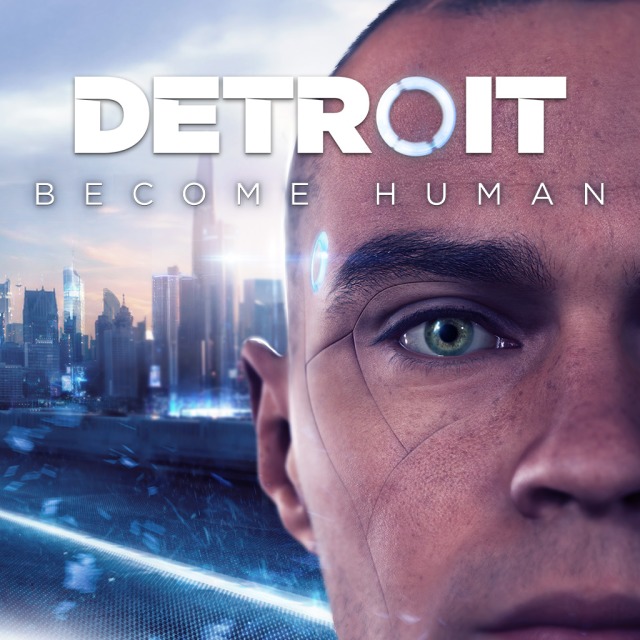
I avoided playing Detroit: Become Human until now for two reasons. The first was because I was still frustrated and underwhelmed by previous David Cage projects. While they were visually impressive and had interesting narratives, playing them was a chore. Yes, a lot of that was my fault for trying to do all the things to get 100% but the fact remained. The second reason was because I had a feeling the game was short. Minor spoiler: I was right. I was able to finish the game in about two days of casual playing. Obviously, I’ll be going back for more to get things I missed. But, for gamers that just want to be done with once the credits roll, I think they’d feel robbed of their coin. Fortunately, at least as of this writing, the game is affordable. Moreover, the game is the best I played from Quantic Dream. All those above-mentioned frustrations from games like Heavy Rain and Indigo Prophecy have been tossed out the window. This is a game I highly recommend.
Taking place in the titular city in the year 2038, Detroit: Become Human centers on the strained relationship between humans and androids. Initially envisioned by a genius named Kasim and his company CyberLife, androids look exactly like and behave mostly like humans. Nowadays, they act as second-class citizens to humans doing what the humans request for no payment. They’re used for mostly blue-collar jobs that the rich humans don’t want to do: janitorial work, window washing, painting, carpentry, maintenance and more. Tensions have gone up as humans lose work to their android counterparts. (Of course, we know good and darn well that the humans complaining about lack of work would be the same ones complaining about those same jobs. Sound familiar to anything going in our country?)

But what if androids started to act “more human”? In other words, what would happen if they managed to break from their programming and become their own “person”? That’s the question facing the three main characters of this story. The first is Kara, an android that finds herself working for a broken home and family. The next is Markus, an android that serves as the primary caregiver for a famous artist in the Detroit suburbs. Finally, there’s Connor, a new prototype android developed for hostage negotiations. Connor is also in charge of finding “deviants” which is the term used to describe androids that start thinking for themselves. These three androids are about to go through it. The choices made by the player will shape their future, as well as the future of android-kind.
Detroit: Become Human has a lot of great features and the story is one of them. I was locked in from the start. The game is divided into chapters where you’ll switch between Connor, Kara, and Markus. At the end of each chapter, you’ll see a flowchart depicting all choices made and hinting at all possible outcomes and pathways. The number of choices is massive which will become evident once you reach the end of the chapter and see the size of the flowcharts. While it takes work to alter the overall narrative, the choices made will have massive impacts that leads to numerous outcomes. One thing I like about the overall story (aside from its writing and development) is how easy it is to go back to one of the chapter’s generous checkpoints, make different decisions, and continue the story from those choices. This saves a lot of time for those that want to see as much as possible without having to start a new game. This briskness is highly appreciated.
If you have any familiarity with Quantic Dream, then you’re mostly familiar with the gameplay for Detroit: Become Human. Most of the time you’ll be moving one of the three main characters through a series of events, making dialogue choices, observing/interacting with surroundings, and other actions to reach some sort of goal. Holding the R2 button will let you keep track of said goal and highlight objects/people that can be interacted with. The R1 button moves the camera to a different vantage point. And, that’s about it when it comes to controls outside of moving around, making decisions and quick time events. Speaking of, QTEs are back and not nearly as pervasive as before. Remember, if you mess up and get an unfavorable outcome, it’s easy to go back to a checkpoint and try again. There are other actions that you’ll perform. For example, Connor will spend a lot of time reconstructing crime scenes or gathering evidence to create a suspect’s profile. In some of Markus’ chapters, he’ll look for ways to make challenging jumps or wall runs. The game hands these out to you but seeing them calculated is fun a few times.
Graphically, Detroit: Become Human is stunning. Moving from the PlayStation 3 to the PlayStation 4 did these games a world of good. Characters (humans and androids) look more lifelike than ever. Most of the praise needs to go the way the city of Detroit was captured on a futuristic level. Throughout the game’s entirety, you’ll see the good, not so good, rural, and urban parts of the city in a way that is both realistic and futuristic. Most of the game takes place in November so you’ll be seeing grey skies and constant rainfall. As of this writing, the only futuristic thing we have in our world is a self-driving car. In Become Human, there are plenty of those. There are also interactive advertisements, sleek buildings and billboards, efficient transit, and much more that show a realized idea of what the future could be. It also depicts the grim realities. Detroit is a city of rich and poor. Modern technology didn’t do anything to fix that. That’s on full display in Become Human. The music ranges from silent, to eerie, to grand, to chill. It depends on the situation. The game gets more intense as the story progresses. As such, the music follows suit. For the most part, it’s great.

I have a few complaints about Detroit: Become Human. The first is length. I understand that one of the things that’d draw gamers to it is the highly branching story, but it still feels on the short side. Conversely, some of the chapters feel long because of their tedium. The saying “this meeting could have been an email” is in full effect. A lot of the dialogue feels contrived, too. I rolled my eyes on multiple occasions because of the grandstanding. I think the biggest issue I had was trying to find that one object or person to interact with to get the story moving. As mentioned, the game will highlight them, but it still requires more work than necessary.
After only five hours, I saw the credits roll. I plan on going back for more to see other possibilities and earn other trophies – I honestly recommend others to do the same to get their money’s worth. Outside of the story, you can use points earned to unlock character art, character profiles, videos, and more. It’s easy to go back to a favorite chapter, attempt to shift things around based on choices, and see the results play out. The game does have replay ability. It just ends too quickly on a first run. Despite this and my other grievances, I had a great time experiencing Detroit: Become Human. Any reservations from past Quantic Dream experiences can be ignored. Detroit: Become Human fixed most of those while telling a new, exciting story.
Overall, 8/10: While over too soon and sometimes a bit wonky, Detroit: Become Human is a solid and intriguing game with a strong narrative, a likable cast, and an important message.
