




The fact that Kirby Air Riders is abbreviated as KAR isn’t lost on me.
April 16, 2026
Ariana and the Elder Codex just is.
May 15, 2026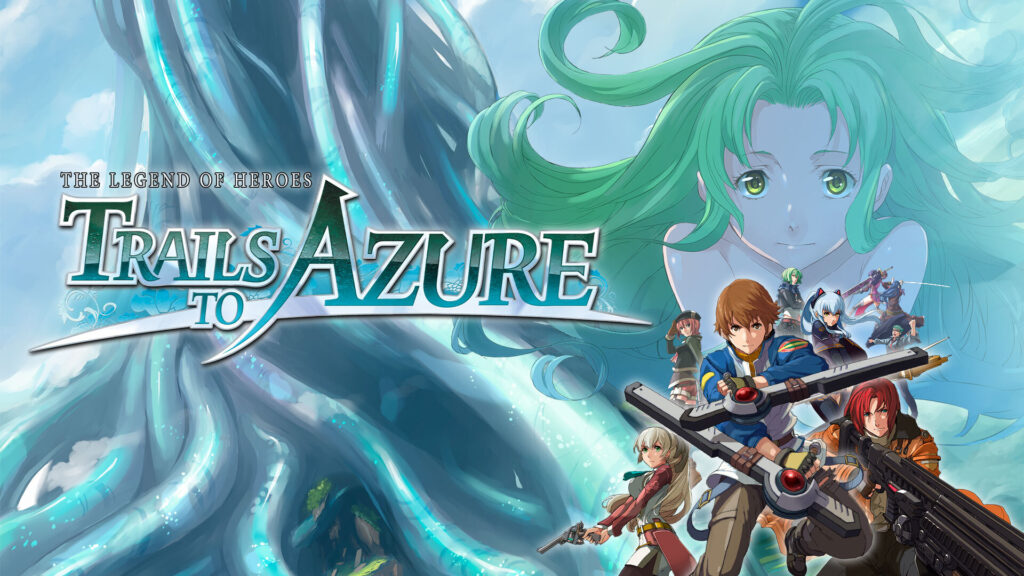
I guess it’s safe to say that I’m becoming a Trails fan. Whether it was starting my journey with lesser titles or not being in the right mindset, my first experiences with the series weren’t nearly as enjoyable as they have been lately. This especially rings true with Trails to Azure. A follow-up to Trails from Zero, Trails to Azure really set the bar high for me with the series. Of course, I still have plenty of complaints.
Most notably and expectedly, my biggest complaint is with the story. Trails to Azure takes place not long after the events of the previous game. It opens with SSS member Lloyd Bannings and new recruit but familiar faced Noel Seeker of the CGF investigating remnants of the D G Cult. They’re joined by Arios and Dudley as they hope to bring an end to the madness. The drama with the cult takes a backseat after the introduction. Unlike the other games in the series I’ve played, Trails to Azure starts at a higher octane. More conspiracies, secrets, dark dealings, and issues are immediately introduced to Lloyd, his friends, and the city of Crossbell. KeA, the adorable little girl from the first game, also gets a massive amount of time in the spotlight which ultimately reveals her truths and origins.
And just as things are starting to get interesting by the time the second chapter ends, the narrative takes a backseat for “world building” that does nothing but make players mash the dialogue button. There’s too much fluff in this game, and in this series. My playtime was just over 50 hours, and that came from reading fast and skipping unimportant dialogue. If you go about the game at the intended pace, then you’re looking at 80 to 90 hours. Fat needed to be trimmed. However, my biggest gripe isn’t with the story’s pacing. Sure, it has its issues, but a bigger problem is the amount of important story information locked behind unimportant tasks. Most RPG vets will tell you that it’s important to talk to every NPC multiple times to make sure you don’t miss key clues or potential side-quests. While true, Trails to Azure takes this to an inexcusable level. Crossbell and its surrounding areas are filled with chatty NPCs. Overlook one, and you potentially overlook said information. The biggest kick in the pants with this? Some of this information sheds light on Lloyd’s brother, Guy. Llody became a police officer to follow in his brother’s footsteps while also hoping to uncover the truth behind his murder. For such crucial information to be locked behind a rando is ridiculous.
Similarly, the side content that seems superfluous at first is vital for those that want to equip Lloyd and his friends with the best stuff. Alongside weapons, armor, and accessories, a new addition to this game is the Master Quartz. These contain a set sepith count, provide bonuses in battle, and level up alongside your characters if they’re equipped. When fully leveled, they unlock potent Master Arts. A good chunk of these come from the story or from a shop purchase. Others are locked behind tedious tasks outside the narrative. If you don’t cook recipes, then you can’t unlock new dishes, which you can’t offer to a Jizo statue, and you ultimately miss a Master Quartz. If you don’t fish, then you can’t feed fish to a cat, and you’ll miss a Master Quartz. There’s also bonding events, discovering books for a popular series, and probably more stuff that I’m not thinking of.
It’s a lot. The quantity of stuff reminded me of games like Rogue Galaxy or Final Fantasy X; games packed with too much optional content that was important to finish. Other than the Master Quartz (and a sleek new car that the SSS can use to get around in style) the gameplay remains mostly unchanged from Zero. New party members like Noel and Wazy means new pieces of equipment to buy and new ways to set Orbments. There’s a Puyo styled mini-game called Pom Pom Party that can be played at the base, too. Going through the motions of checking for SSS requests, completing said requests, and getting Detective Points (DP) as a reward will all feel familiar.
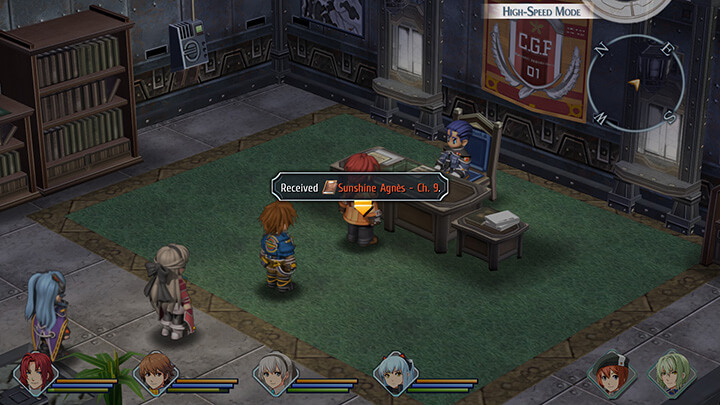
The turn-based combat will also feel familiar. Every feature from before has returned. The SSS have retained their original set of moves and they’ll learn new ones after special events and/or gaining enough experience points. New special abilities and combinations retain that over the top, anime inspired level of mayhem and they’re glorious to watch. Near the end of each chapter, the new Burst Gauge will pop up. Activating this lets everyone in your party jump ahead in the queue allowing back-to-back turns. This is great for setting up status boosters before a boss gets to acts, or great for piling on the damage to finally land the killing blow. Bosses tend to have way too much HP. I played the game on Normal and by the time I reached the last gauntlet of boss encounters, I was spamming consumable Burst Orbs to increase the Burst Gauge to continually unleash as much hurt as possible just so the boss didn’t get a turn. Many of the bosses have an attack that will one-shot the entire party. It should go without saying that it’s annoying to see that happen. I have a quick tip for everyone reading that’s interested in playing this: make Lloyd an “evasion tank.”
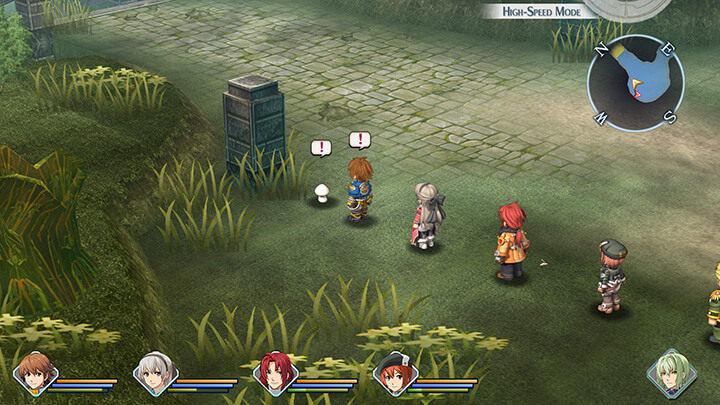
Azure retains the same classic and crisp look. Once again, I played the Switch version on my Switch 2. I usually favored handheld mode, but the game presented gorgeously when on the TV. Thanks to the addition of new monster sprites, character attacks, and locations, Azure looks fresh and familiar at the same time. As most of you know, I’ll always fight for 2D in lieu of 3D. Games like this help make my case. I might not have liked the length of some of the dungeons (the final one, specifically) but they never stopped looking nice. There were even some animated cut scenes tossed in to keep things spicy. Finishing the game lets you unlock art which continues to add points for looks. And, like the graphics, the music will sound familiar to those that finished Trails from Zero. The soundtrack is composed of mostly old tracks. The new ones exclusive to Azure are total bangers; especially the ones that play during one of the many boss encounters. Finally, voice acting is Japanese only.
I mentioned before that the game lasted me over 50 hours. As much as I griped about the pacing and the narrative, a part of me was sad to see it end. The ending doesn’t give the warm fuzzies seen in other RPGs at their conclusion. In fact, it sets the stage for what I’m guessing are others in the Trails series. The more I play, the more I see why the series has its fans. As usual, I heavily used the fast-forward and skipping features. As long as the series continues to provide these so I can skip the unnecessary stuff, then I’ll be able to fully enjoy the narratives, characters, combat, and the way things all tie together. Dare I say I’m excited to continue my journey in the series? For now, I’ll conclude with something that should have been obvious from the start: if you enjoyed Trails from Zero, then you’ll enjoy Trails to Azure more.
Overall, 8/10: New friends, new enemies, and new barriers to overcome in Crossbell. Trails to Azure is a solid sequel to the groundwork set by Trails from Zero.
